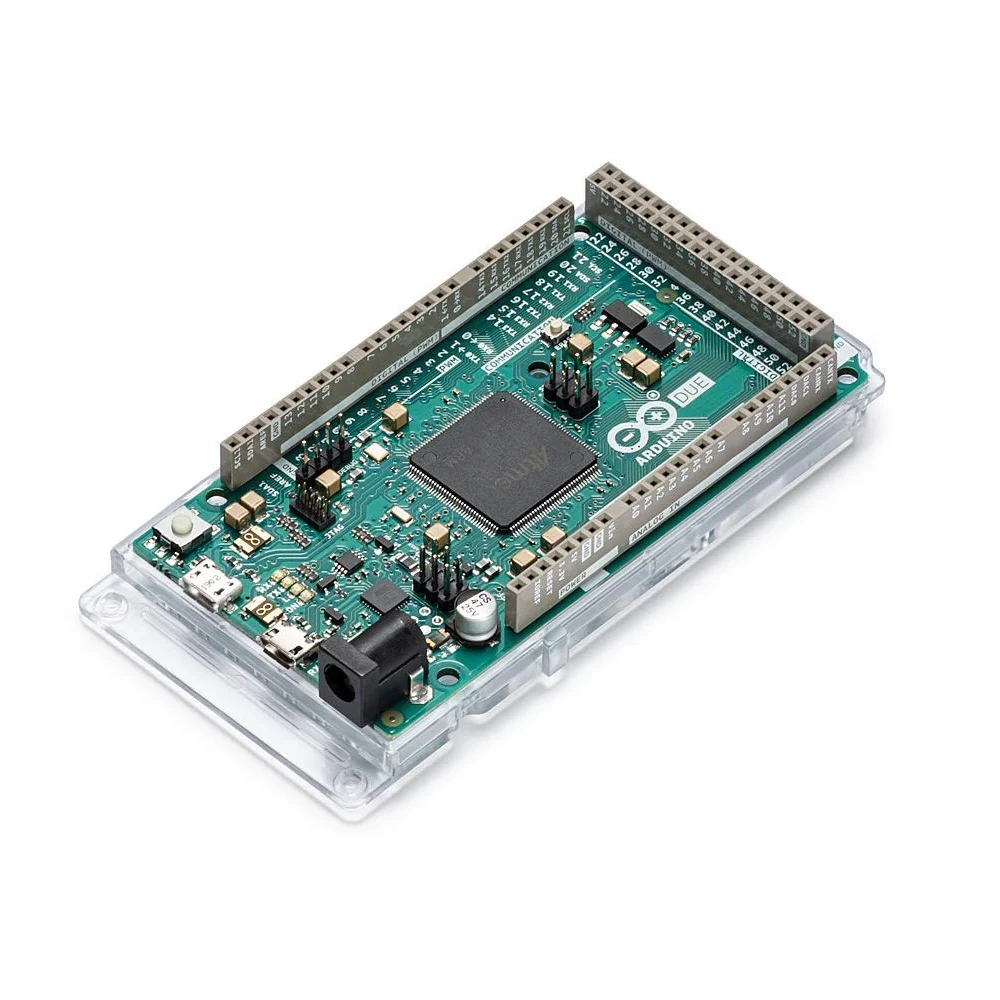
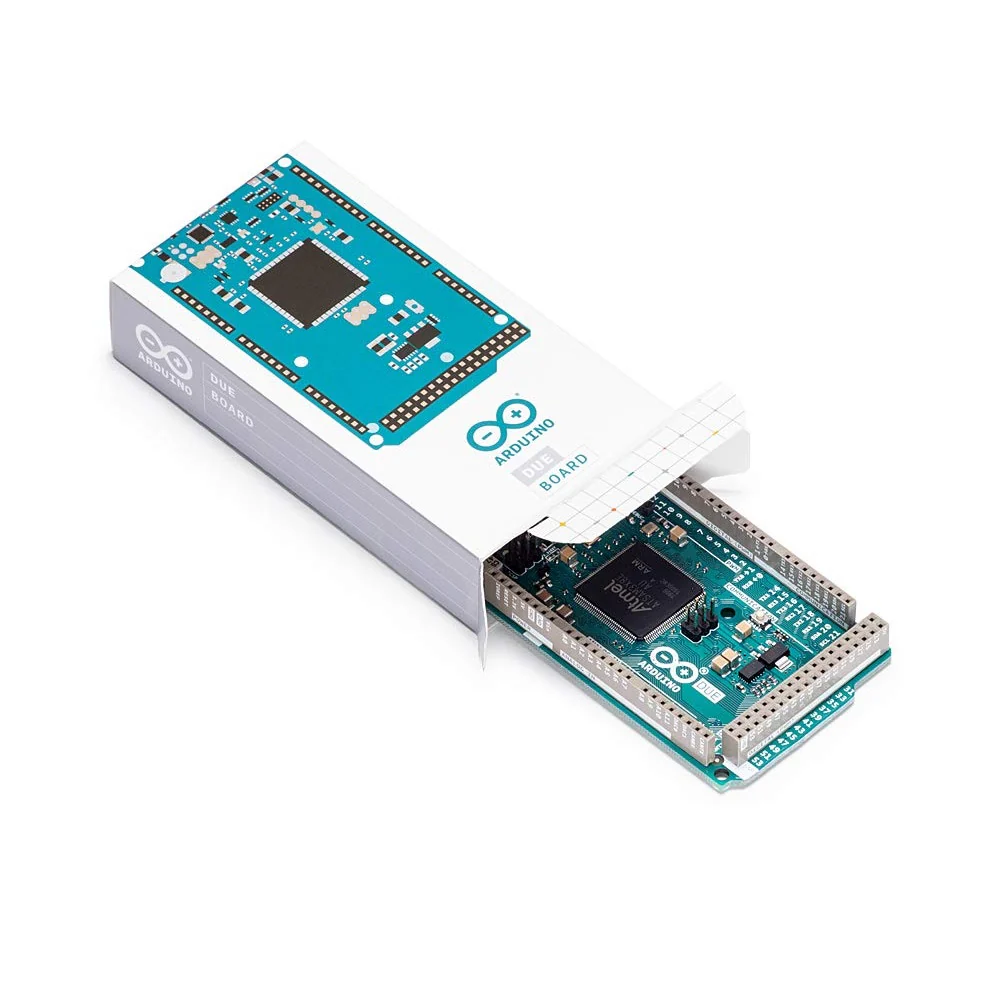
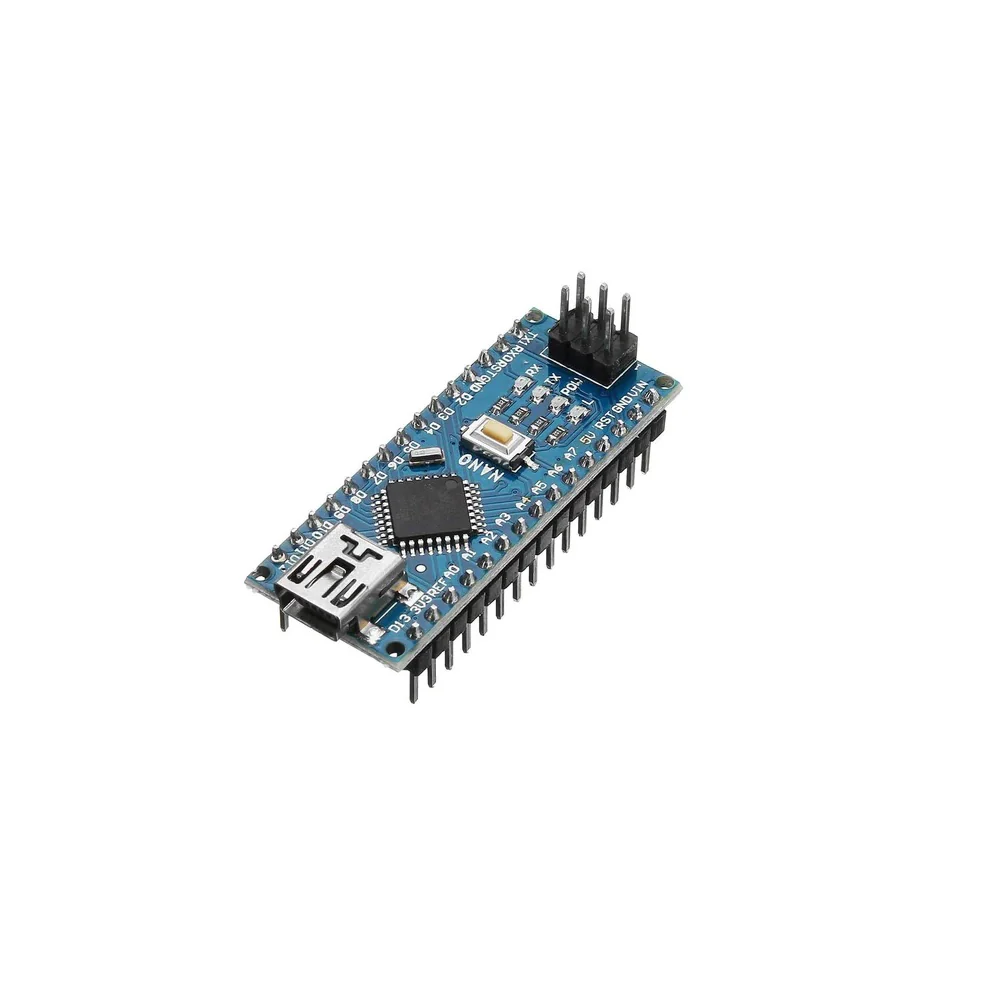
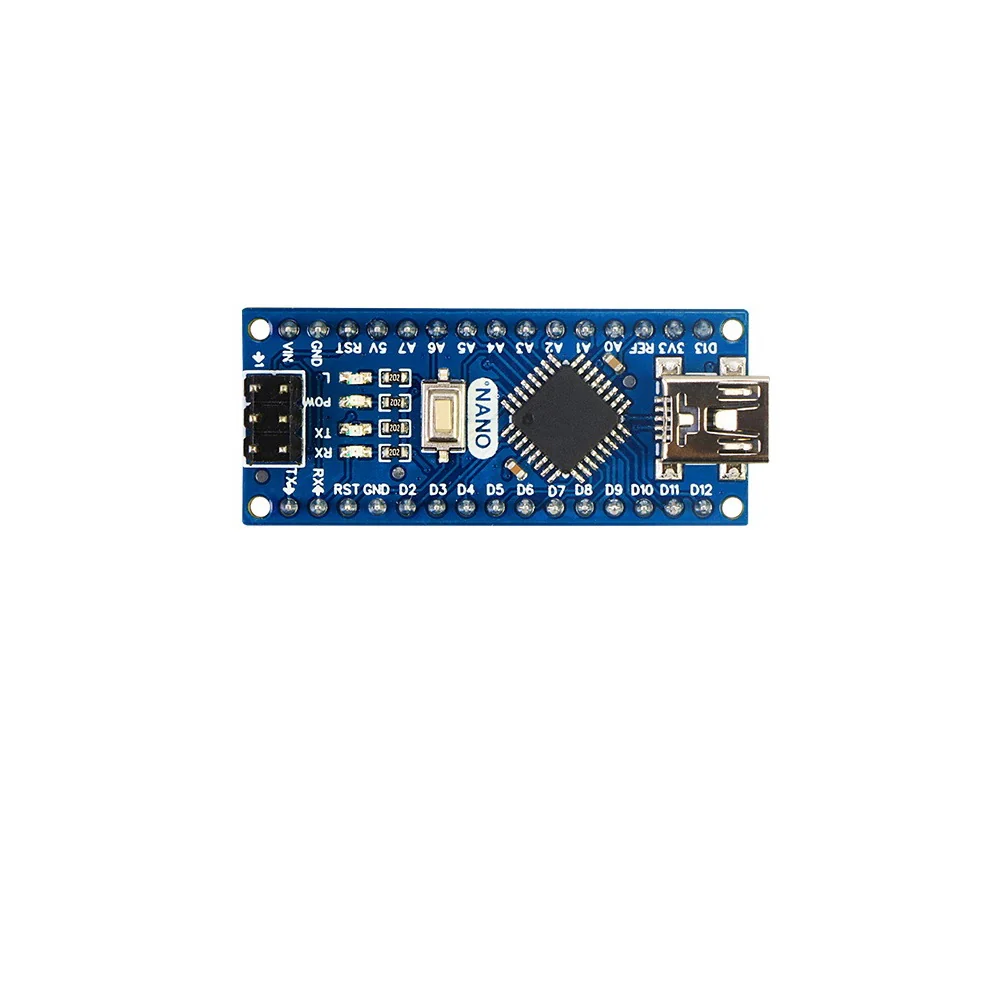
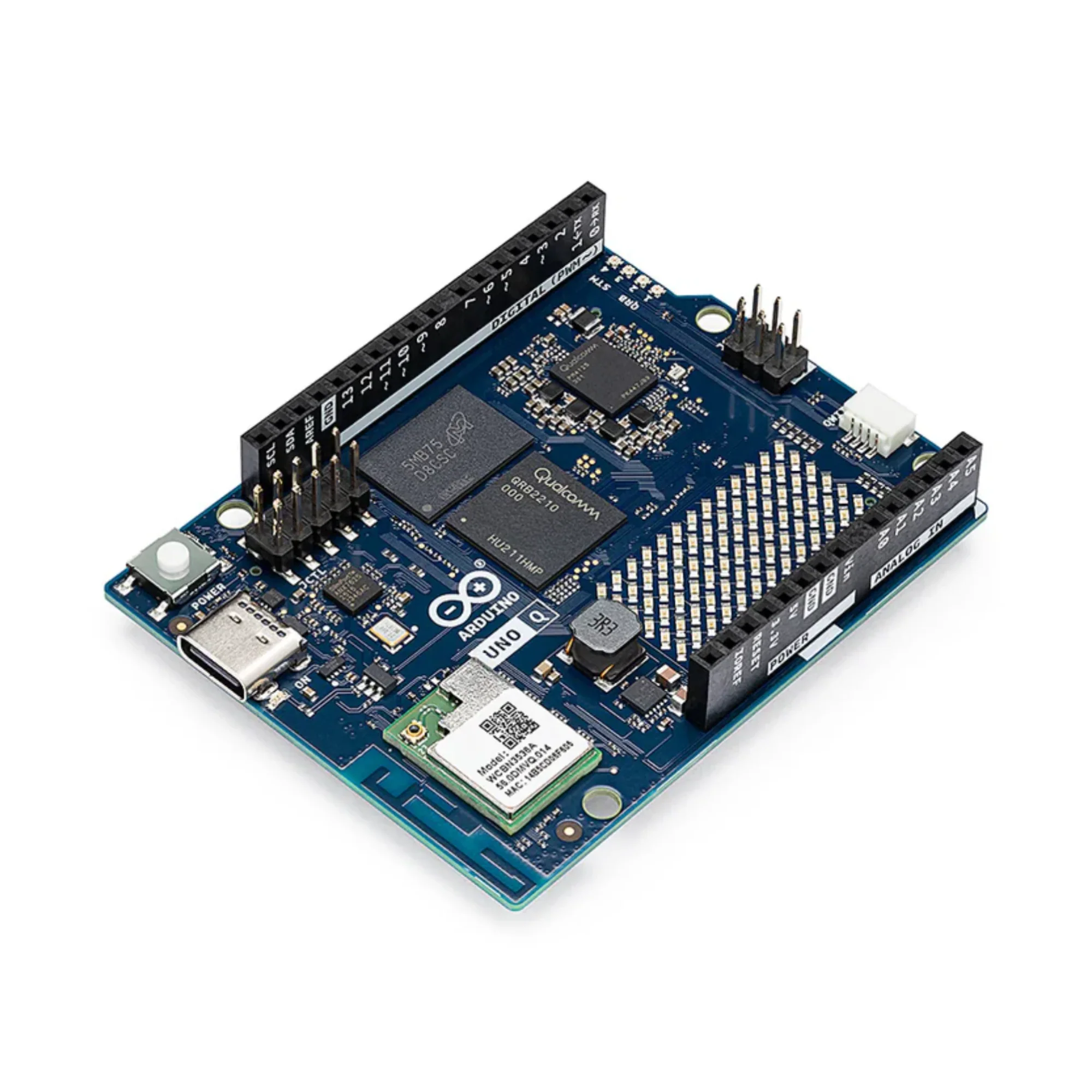
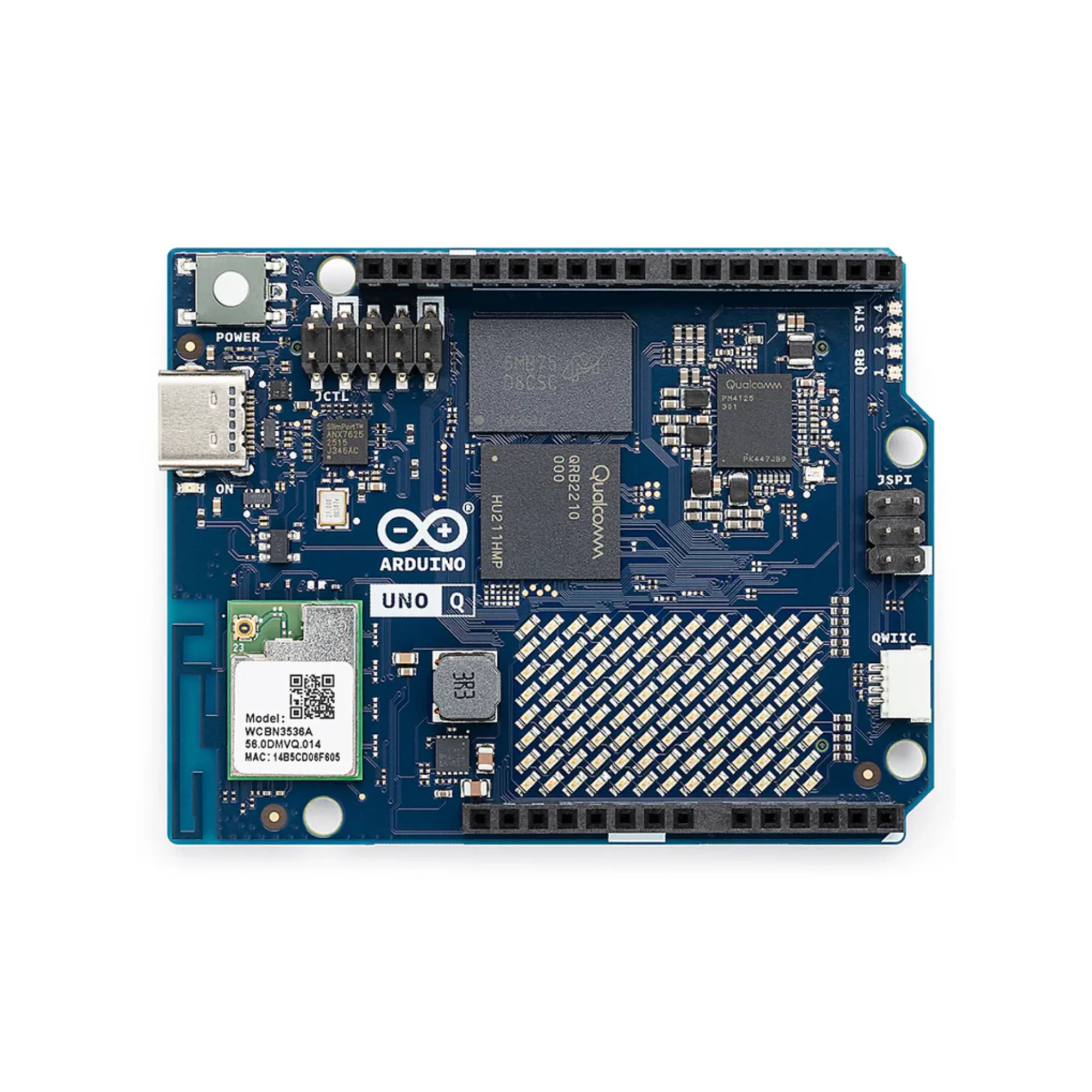
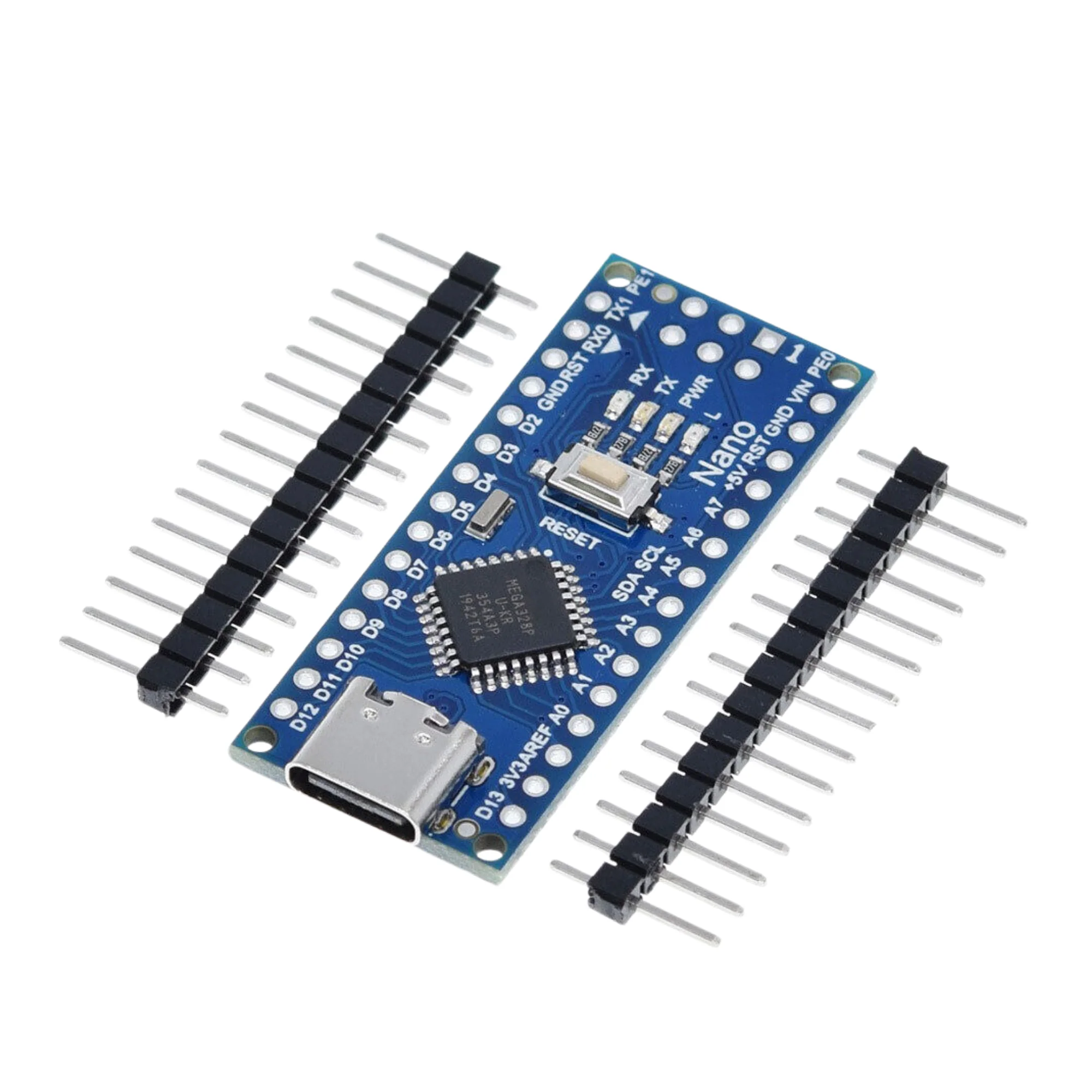
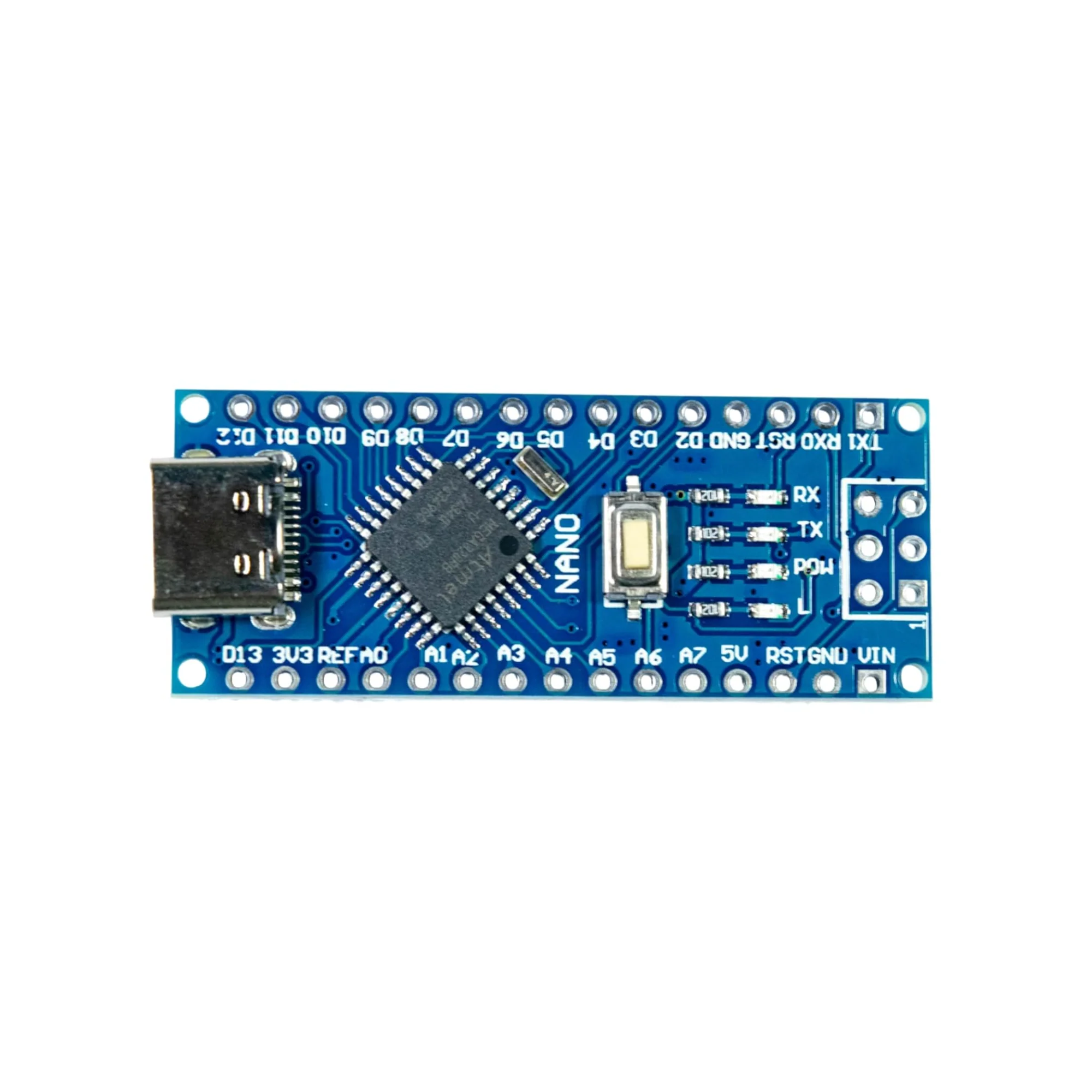
Arduino Nano
Arduino Nano
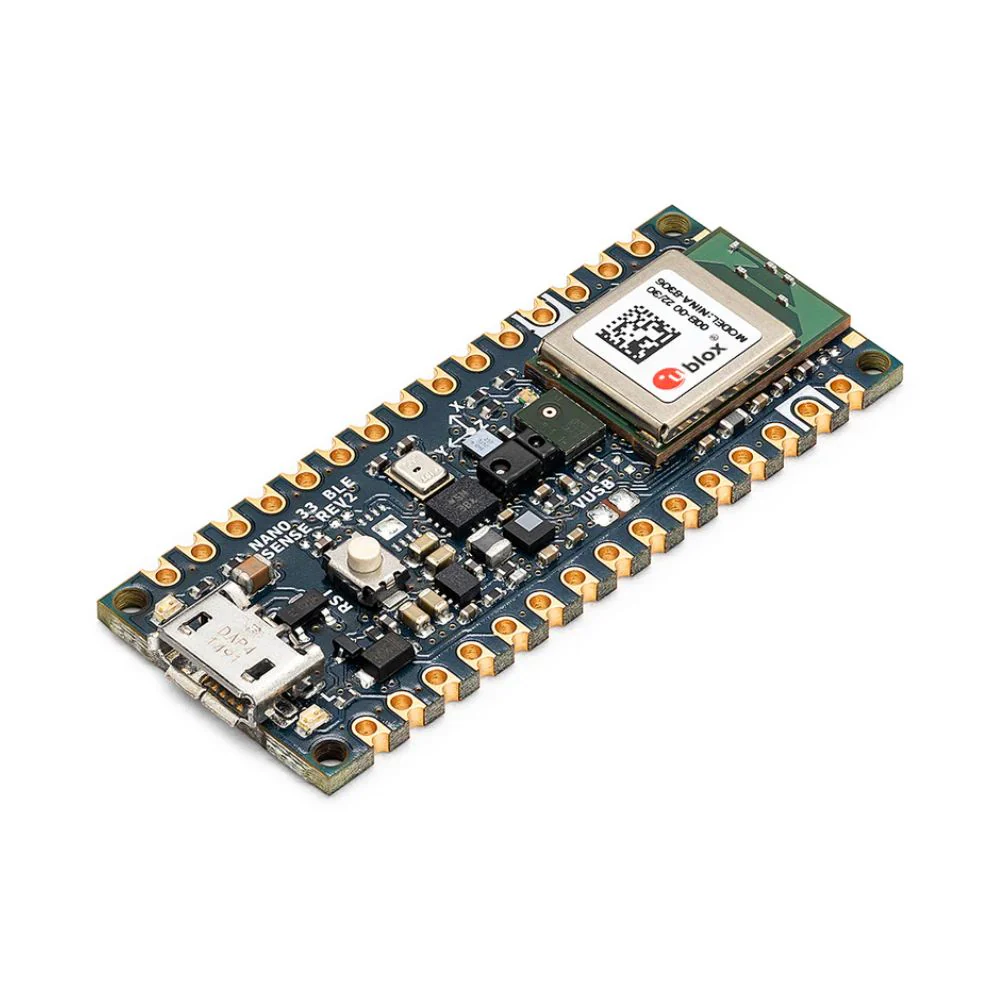
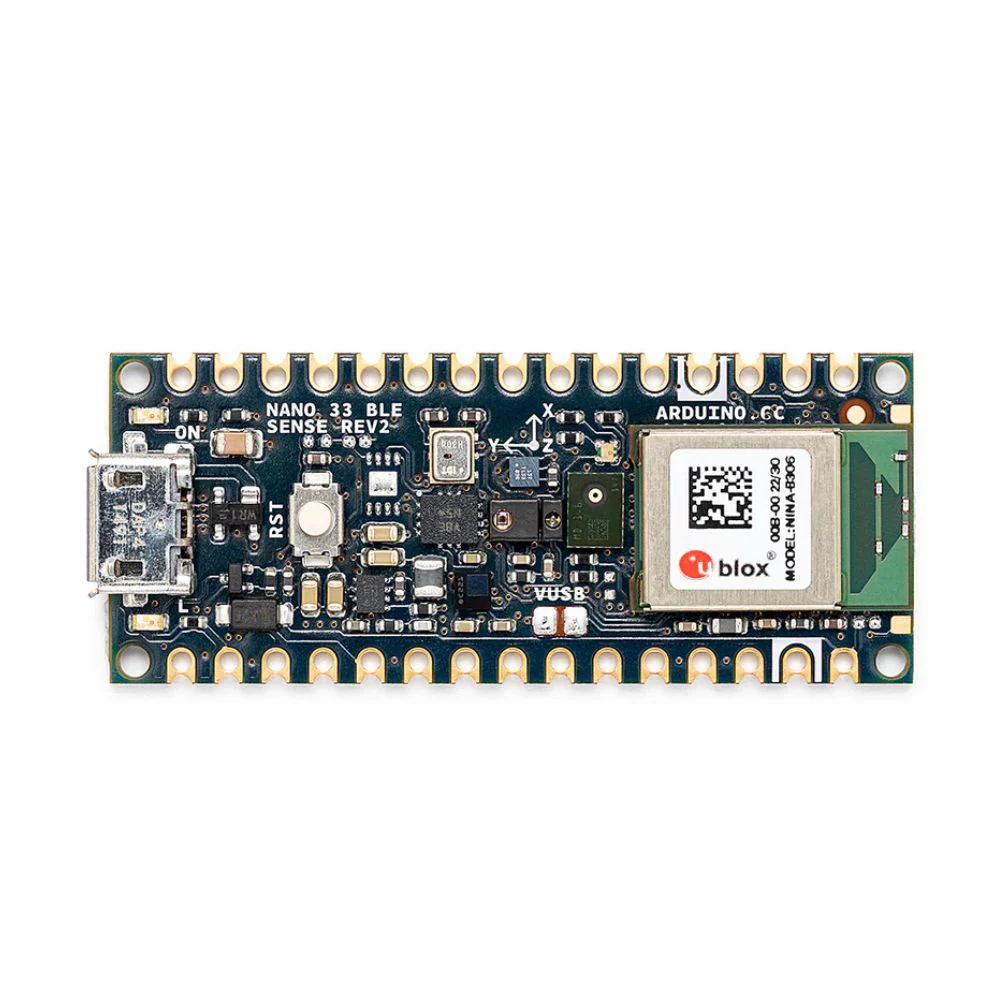
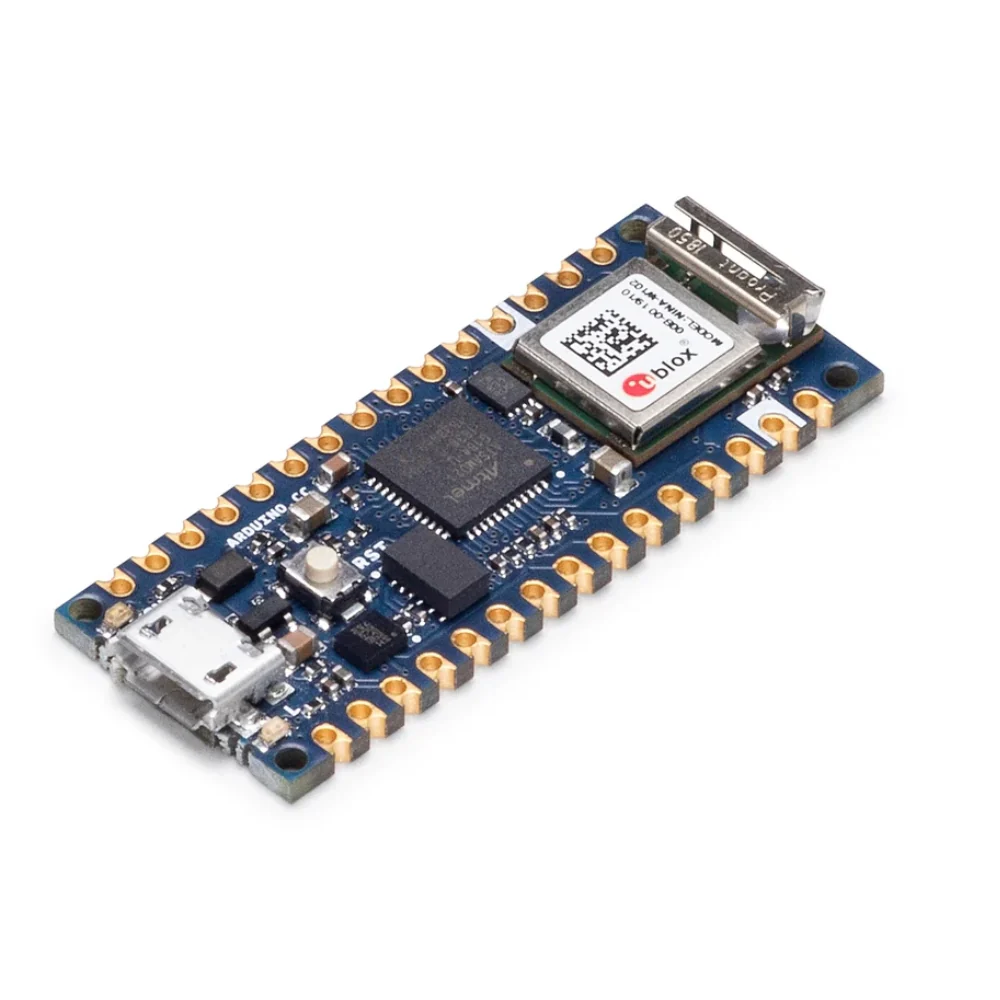
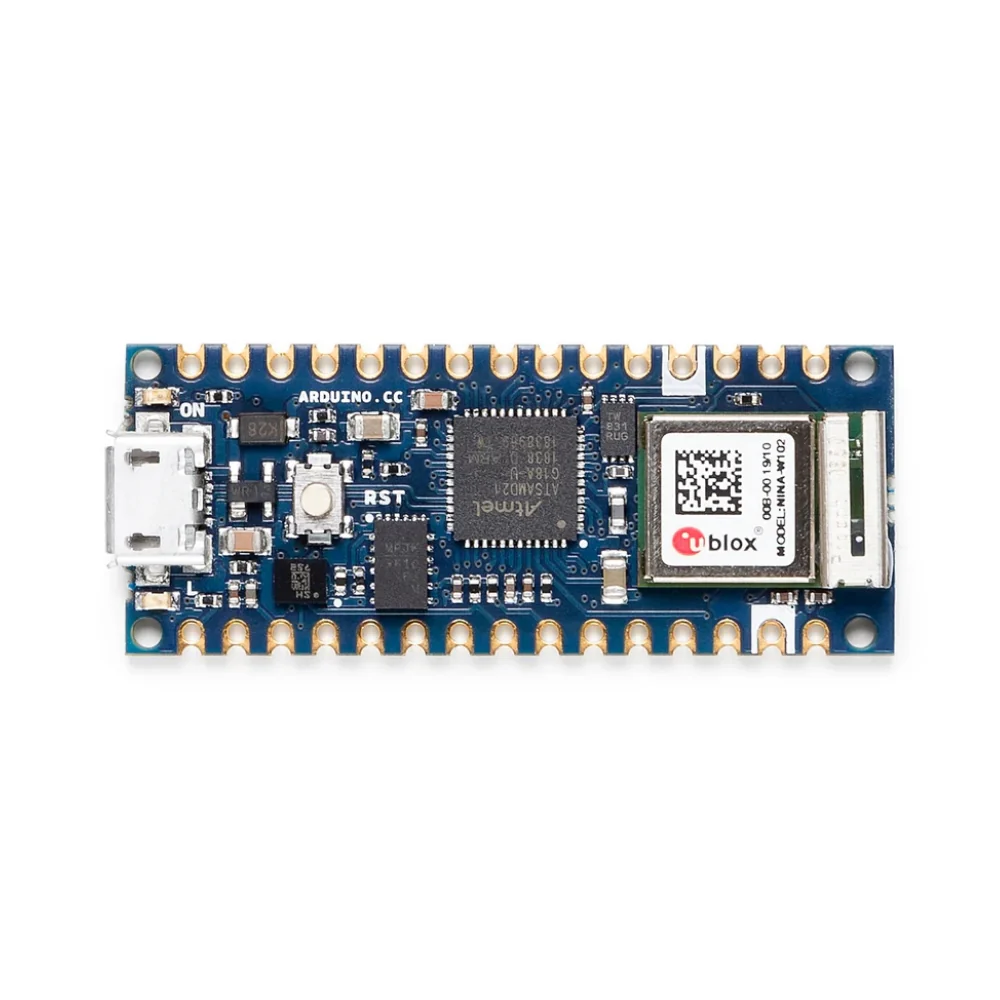
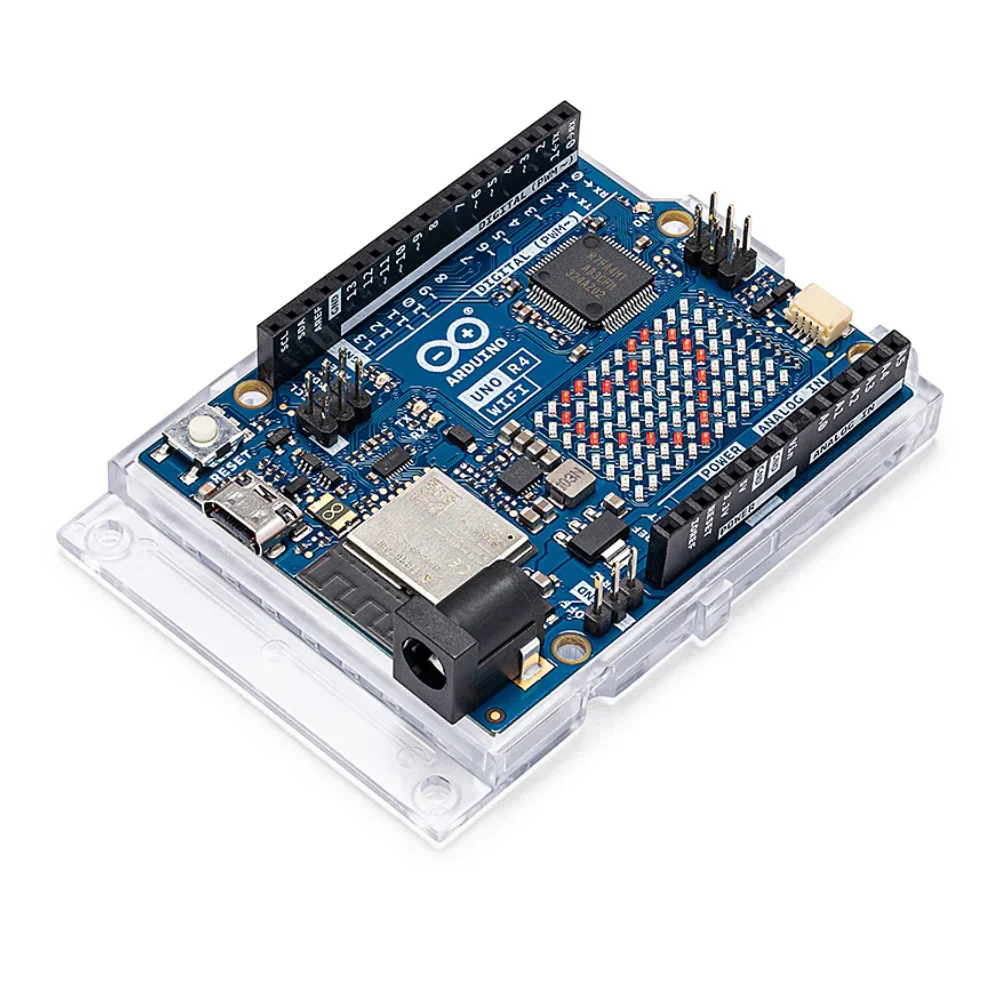
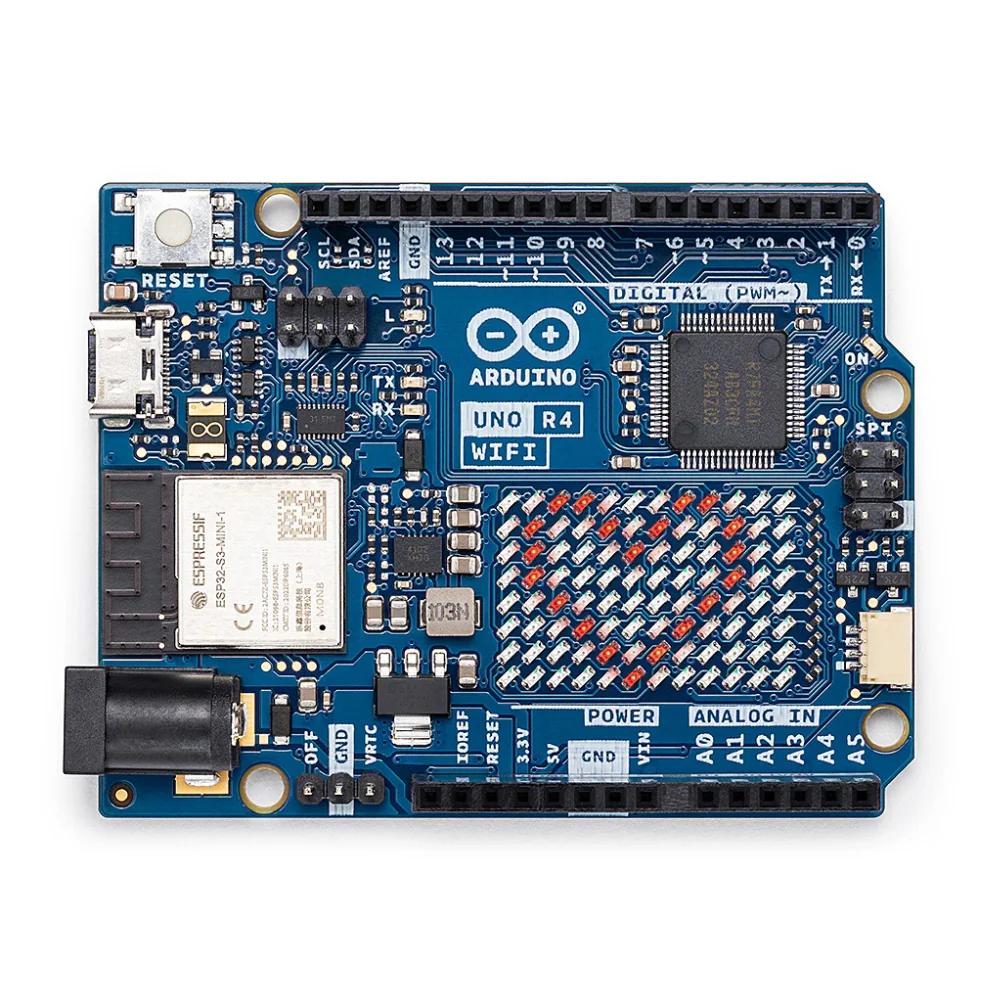
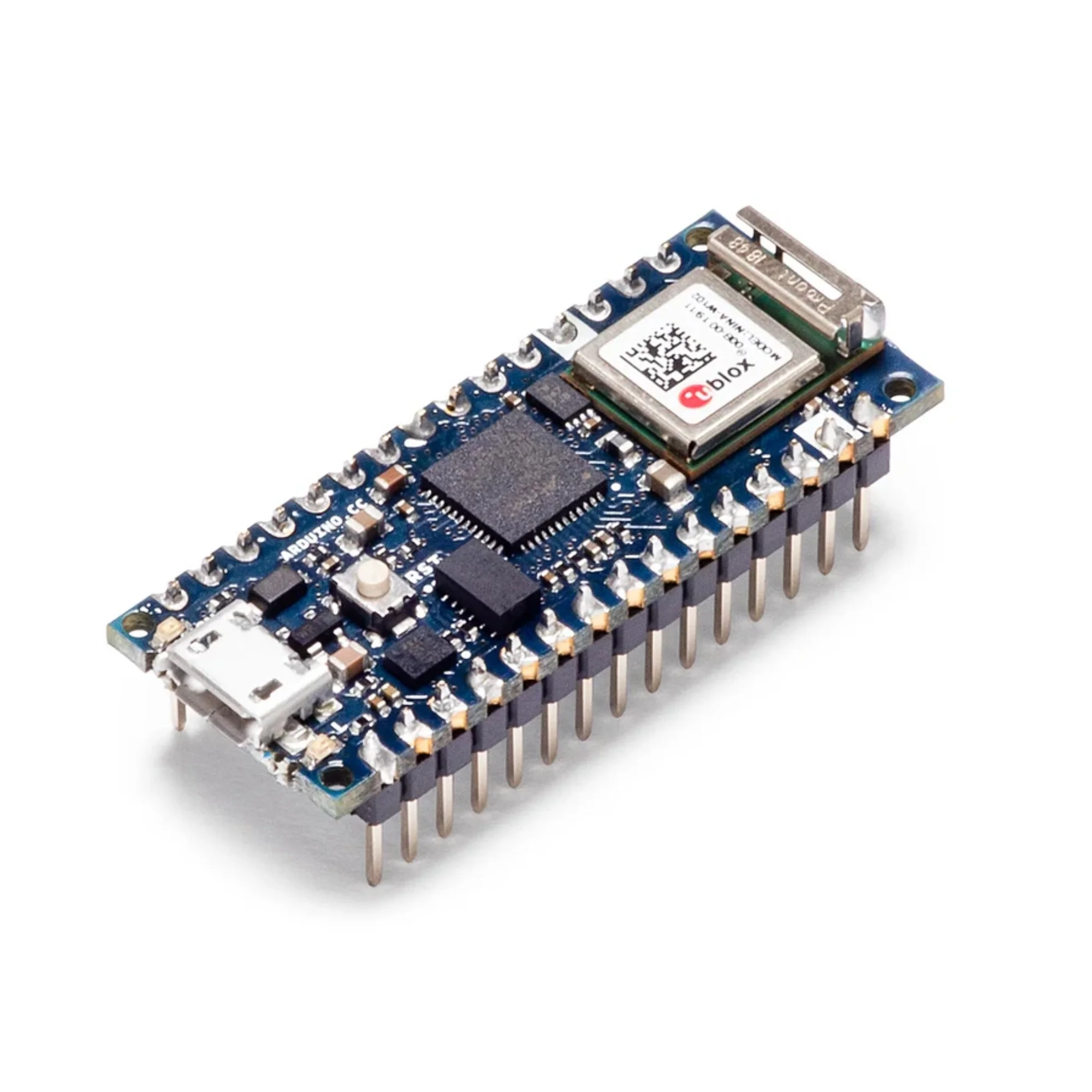
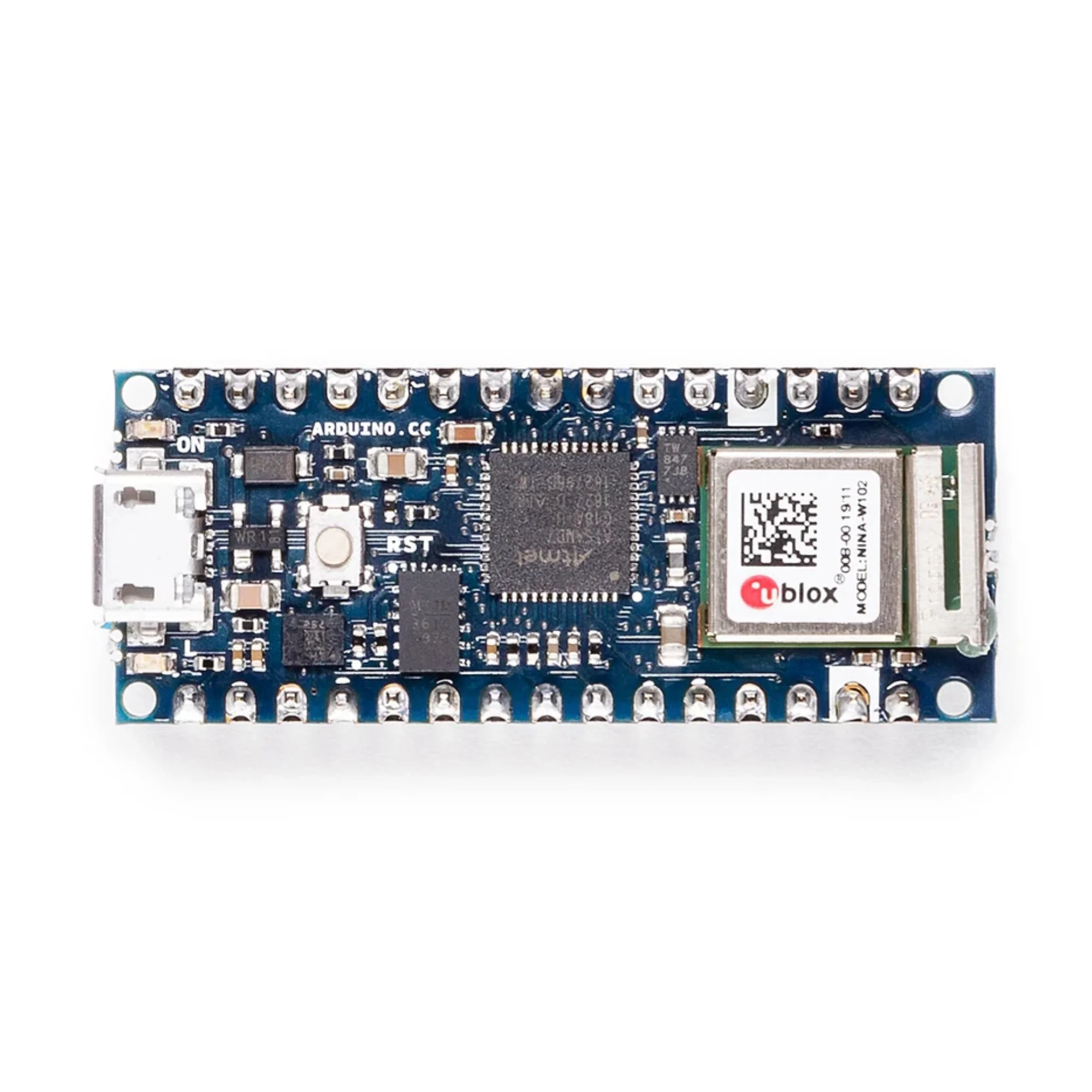
The Arduino Nano Wi-Fi is a compact, low-cost, and powerful microcontroller board featuring integrated Wi-Fi connectivity. Based on the ESP32 (a dual-core microcontroller with Wi-Fi capabilities), this board is designed for IoT (Internet of Things) projects, where wireless communication is a key feature. With its small size, compatibility with Arduino libraries, and built-in Wi-Fi, the Arduino Nano Wi-Fi is perfect for remote monitoring, control, and smart device applications.
The Nano Wi-Fi is designed to be a drop-in replacement for the original Arduino Nano, with added wireless connectivity and an upgraded processor. It provides a great solution for projects that require both a small form factor and Wi-Fi connectivity, all while being compatible with most of the existing Arduino ecosystem.
Technical Specification:
- Microcontroller: ESP32-D0WDQ6 (Dual-core, 240 MHz, 32-bit)
- Wi-Fi: Integrated Wi-Fi (802.11 b/g/n) via ESP32 chip
- Operating Voltage: 3.3V
- Input Voltage (recommended): 5V via USB or external power
- Digital I/O Pins: 14 (6 can be PWM outputs)
- Analog Input Pins: 8 (12-bit ADC resolution)
- Flash Memory: 4 MB (varies based on version)
- SRAM: 520 KB
- Clock Speed: 240 MHz
- Wi-Fi Security: WPA/WPA2/WPA3 support
- USB Interface: Micro USB for programming and communication
- GPIO Pins: Configurable as input/output, I2C, SPI, PWM, etc.
- Dimensions: 45mm x 18mm
- Power Supply: 5V through USB or external power input (via 5V pin)
- Operating Temperature Range: -40°C to 85°C
- Programming Interface: Arduino IDE (via USB)
Features:
- Integrated Wi-Fi Connectivity: Built-in Wi-Fi support using the ESP32 chip, allowing easy creation of IoT applications.
- Dual-Core Processor: Powered by the ESP32 dual-core processor, offering high-speed performance and multitasking capabilities.
- Compact Size: Small footprint of 45mm x 18mm, making it ideal for space-constrained projects.
- Analog and Digital I/O Pins: 14 digital I/O pins (6 with PWM) and 8 analog inputs for a wide range of peripherals and sensors.
- PWM and I2C/SPI Communication: Offers Pulse Width Modulation (PWM), I2C, SPI, and UART for versatile interfacing with various devices.
- Low Power Consumption: Optimized for low-power operation, suitable for battery-powered applications.
- Easy to Program: Compatible with the Arduino IDE, making it easy for both beginners and advanced users to get started.
- Secure Wi-Fi Connectivity: Supports WPA2 encryption for secure wireless communication.
- GPIO Flexibility: Allows GPIO pins to be configured for different functions like input/output, ADC, PWM, SPI, and I2C.
- Integrated Bluetooth (Optional): Some variants of the ESP32 chip also support Bluetooth, extending wireless capabilities.
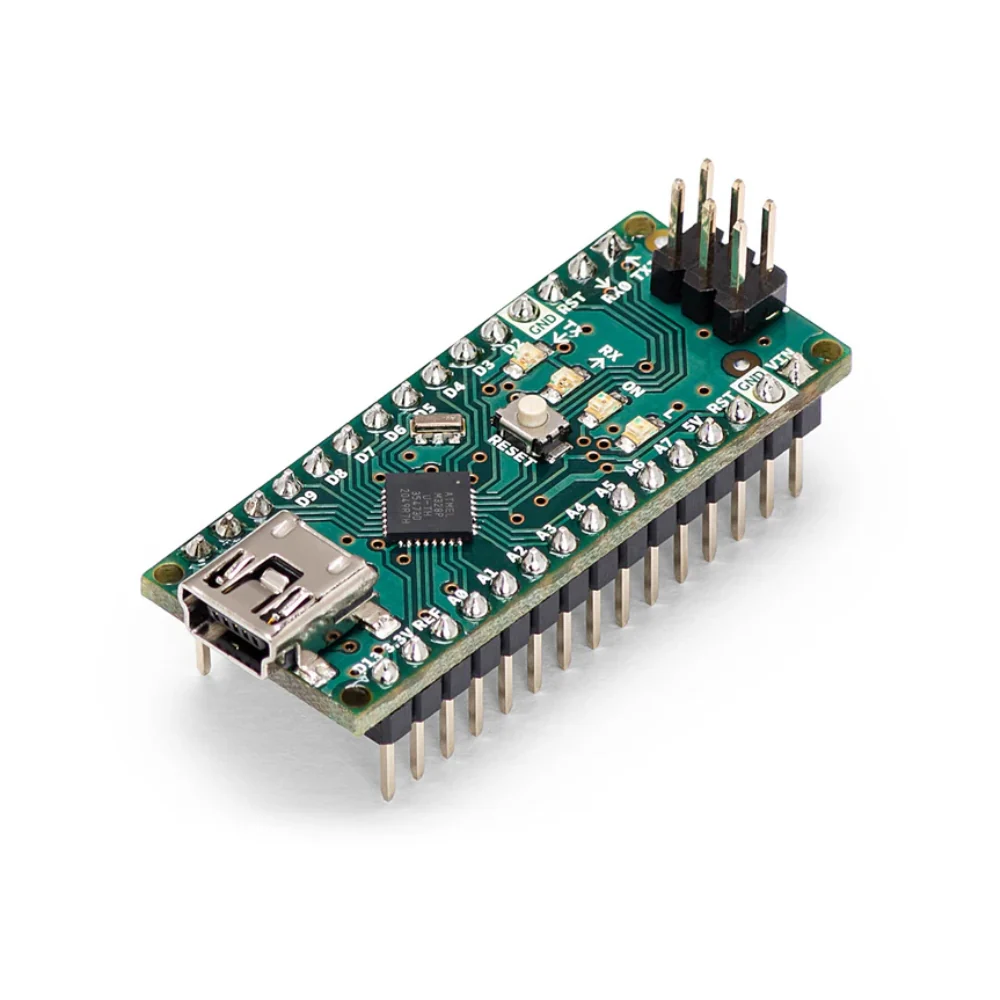
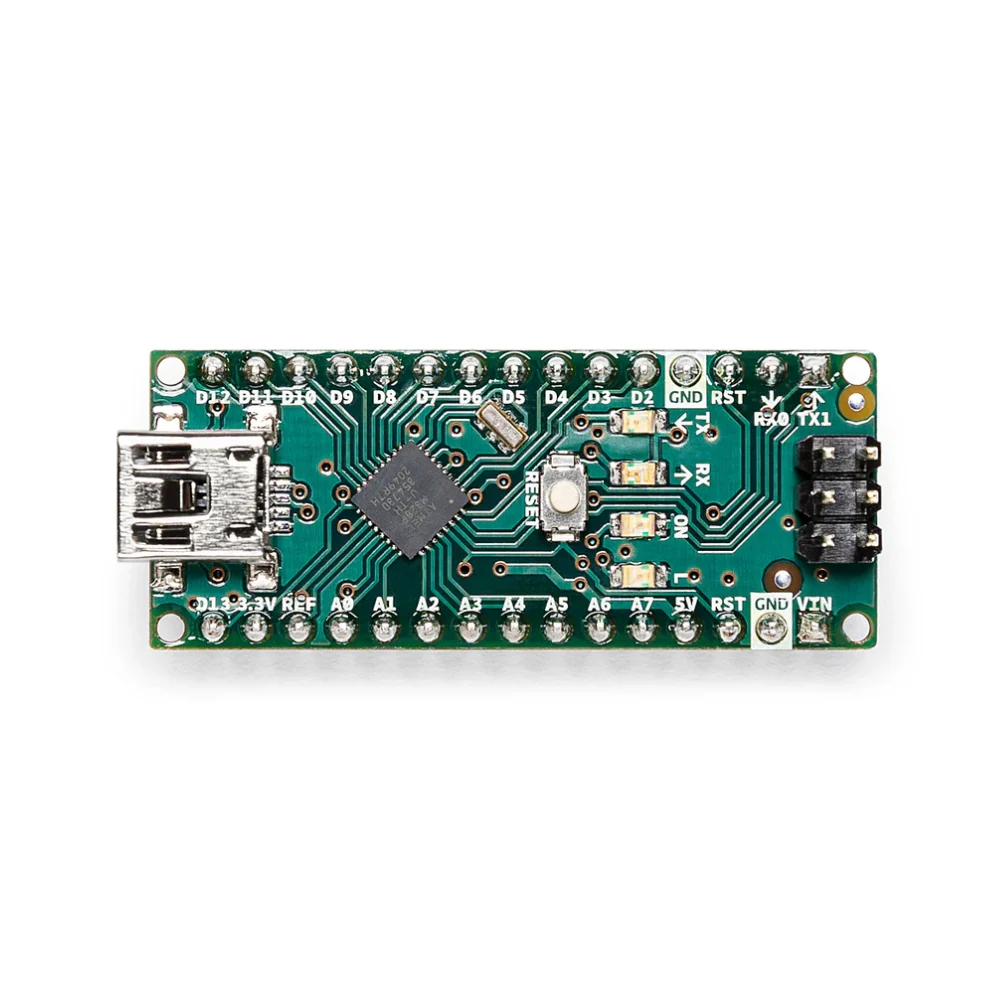
Pin Description:
-
Power Supply Pins:
- 5V: Input from USB or external supply.
- 3.3V: Voltage output from the onboard regulator (can be used to power sensors and other components).
- GND: Ground pins (2x).
-
Digital I/O Pins (D0 - D13):
- General-purpose input/output (GPIO) pins that can be configured for reading sensors or controlling devices.
- D0 to D5 can also be used for PWM output.
-
Analog Input Pins (A0 - A7):
- Used for reading analog signals from sensors. The board has an ADC resolution of 12 bits (0-4095).
-
PWM Pins:
- Digital pins D3, D5, D6, D9, D10, D11 (can output Pulse Width Modulation signals).
-
SPI Pins:
- MISO (D12), MOSI (D13), SCK (D14), and SS (D15) for SPI communication.
-
I2C Pins:
- SDA (A4) and SCL (A5) for I2C communication.
-
UART Pins:
- TX (D1) and RX (D0) for serial communication.
Applications
- IoT Devices: Create smart sensors, connected gadgets, and automation systems that communicate over Wi-Fi. Ideal for home automation, industrial IoT, and smart agriculture.
- Home Automation: Control household devices (lights, fans, thermostats) via web or mobile interfaces using Wi-Fi.
- Wireless Monitoring: Set up remote sensors (temperature, humidity, motion) that send data to the cloud for real-time monitoring.
- Remote Control Systems: Build remote-controlled robots, drones, or other devices with Wi-Fi control capabilities.
- Wearable Devices: Develop IoT-based wearable devices that require wireless connectivity for data synchronization or remote control.
- Security Systems: Design connected surveillance cameras, alarms, and smart locks.
- Educational Tools: A great platform for students to learn about embedded systems, IoT, and wireless communication.
- Smart Health Systems: Create connected healthcare devices for real-time patient monitoring or remote health tracking.
- Smart Displays & Dashboards: Use Wi-Fi to create digital signage, information boards, or dashboards that pull data from the internet or local sensors.
- Wireless Data Logging: Gather and store data from sensors wirelessly, uploading it to cloud storage or a web server.
Product Information
Product Information
Shipping & Returns
Shipping & Returns
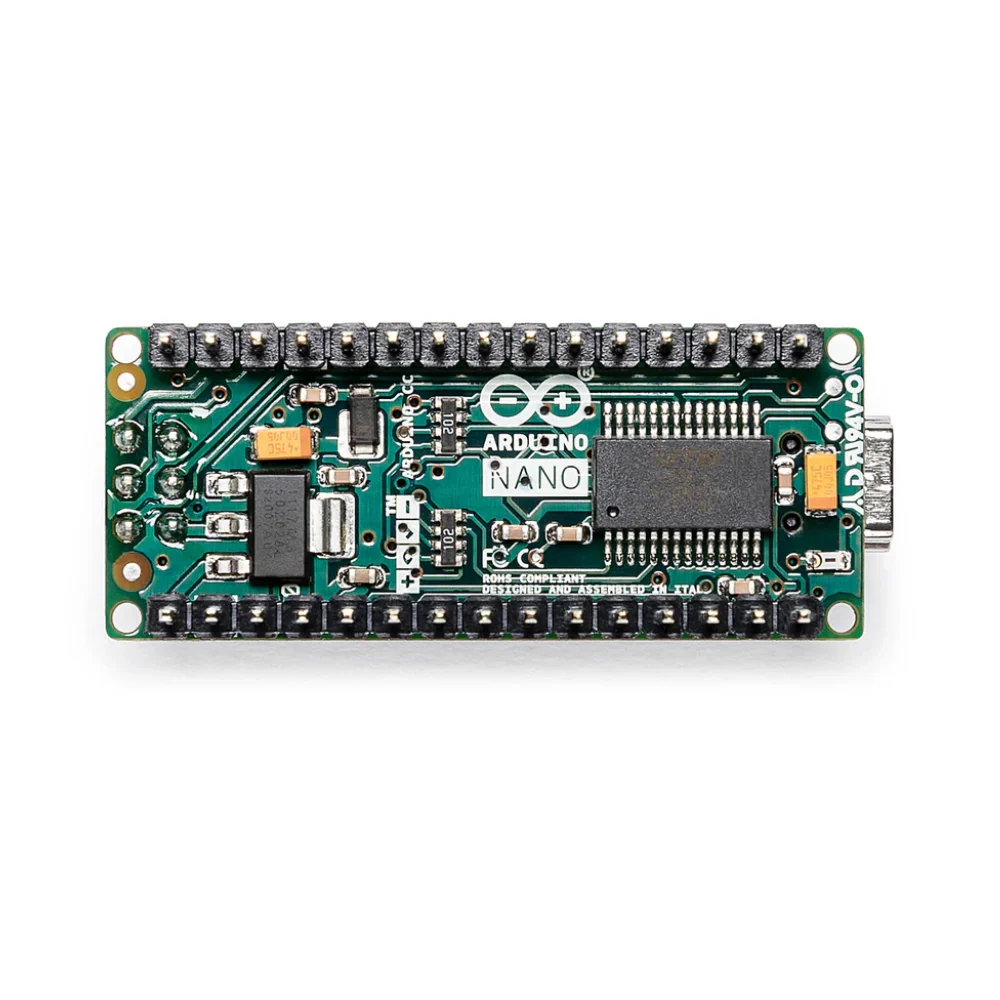
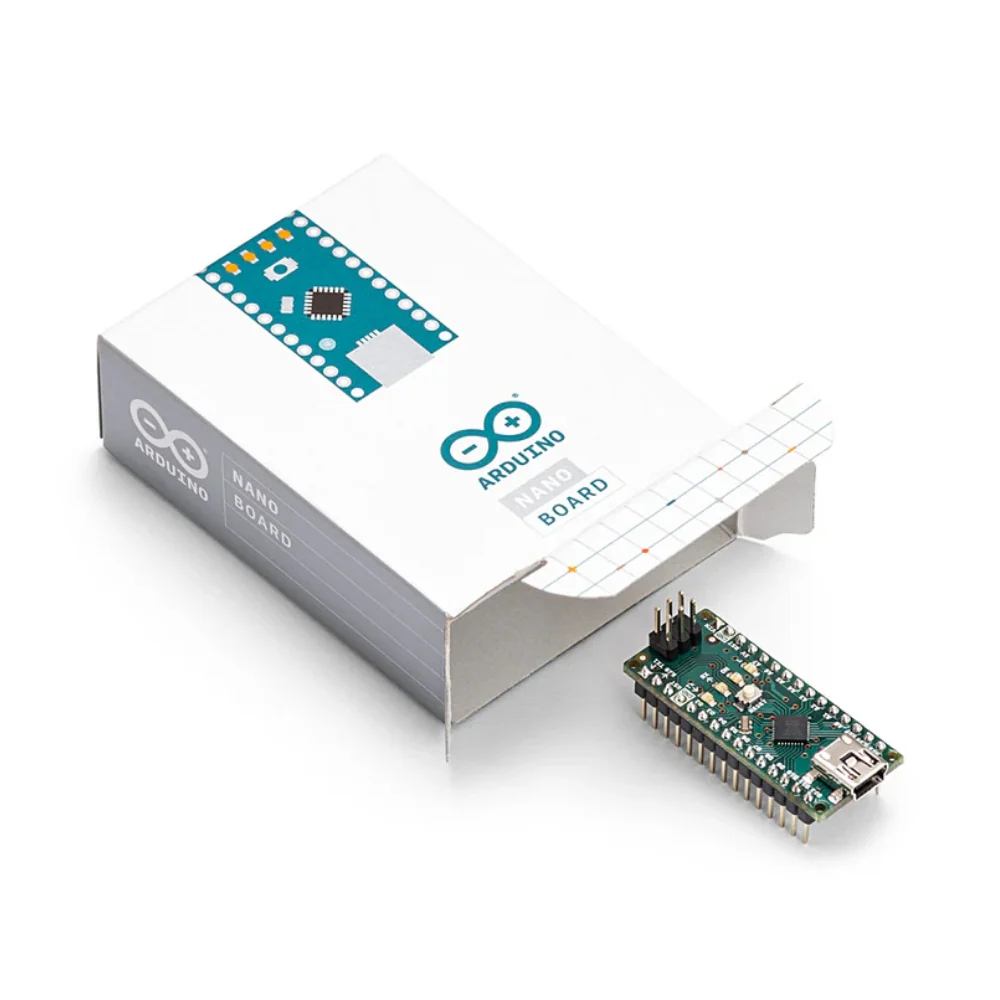
Arduino Nano
Arduino Nano
Arduino Nano
The Arduino Nano Wi-Fi is a compact, low-cost, and powerful microcontroller board featuring integrated Wi-Fi connectivity. Based on the ESP32 (a dual-core microcontroller with Wi-Fi capabilities), this board is designed for IoT (Internet of Things) projects, where wireless communication is a key feature. With its small size, compatibility with Arduino libraries, and built-in Wi-Fi, the Arduino Nano Wi-Fi is perfect for remote monitoring, control, and smart device applications.
The Nano Wi-Fi is designed to be a drop-in replacement for the original Arduino Nano, with added wireless connectivity and an upgraded processor. It provides a great solution for projects that require both a small form factor and Wi-Fi connectivity, all while being compatible with most of the existing Arduino ecosystem.
Technical Specification:
- Microcontroller: ESP32-D0WDQ6 (Dual-core, 240 MHz, 32-bit)
- Wi-Fi: Integrated Wi-Fi (802.11 b/g/n) via ESP32 chip
- Operating Voltage: 3.3V
- Input Voltage (recommended): 5V via USB or external power
- Digital I/O Pins: 14 (6 can be PWM outputs)
- Analog Input Pins: 8 (12-bit ADC resolution)
- Flash Memory: 4 MB (varies based on version)
- SRAM: 520 KB
- Clock Speed: 240 MHz
- Wi-Fi Security: WPA/WPA2/WPA3 support
- USB Interface: Micro USB for programming and communication
- GPIO Pins: Configurable as input/output, I2C, SPI, PWM, etc.
- Dimensions: 45mm x 18mm
- Power Supply: 5V through USB or external power input (via 5V pin)
- Operating Temperature Range: -40°C to 85°C
- Programming Interface: Arduino IDE (via USB)
Features:
- Integrated Wi-Fi Connectivity: Built-in Wi-Fi support using the ESP32 chip, allowing easy creation of IoT applications.
- Dual-Core Processor: Powered by the ESP32 dual-core processor, offering high-speed performance and multitasking capabilities.
- Compact Size: Small footprint of 45mm x 18mm, making it ideal for space-constrained projects.
- Analog and Digital I/O Pins: 14 digital I/O pins (6 with PWM) and 8 analog inputs for a wide range of peripherals and sensors.
- PWM and I2C/SPI Communication: Offers Pulse Width Modulation (PWM), I2C, SPI, and UART for versatile interfacing with various devices.
- Low Power Consumption: Optimized for low-power operation, suitable for battery-powered applications.
- Easy to Program: Compatible with the Arduino IDE, making it easy for both beginners and advanced users to get started.
- Secure Wi-Fi Connectivity: Supports WPA2 encryption for secure wireless communication.
- GPIO Flexibility: Allows GPIO pins to be configured for different functions like input/output, ADC, PWM, SPI, and I2C.
- Integrated Bluetooth (Optional): Some variants of the ESP32 chip also support Bluetooth, extending wireless capabilities.
Pin Description:
-
Power Supply Pins:
- 5V: Input from USB or external supply.
- 3.3V: Voltage output from the onboard regulator (can be used to power sensors and other components).
- GND: Ground pins (2x).
-
Digital I/O Pins (D0 - D13):
- General-purpose input/output (GPIO) pins that can be configured for reading sensors or controlling devices.
- D0 to D5 can also be used for PWM output.
-
Analog Input Pins (A0 - A7):
- Used for reading analog signals from sensors. The board has an ADC resolution of 12 bits (0-4095).
-
PWM Pins:
- Digital pins D3, D5, D6, D9, D10, D11 (can output Pulse Width Modulation signals).
-
SPI Pins:
- MISO (D12), MOSI (D13), SCK (D14), and SS (D15) for SPI communication.
-
I2C Pins:
- SDA (A4) and SCL (A5) for I2C communication.
-
UART Pins:
- TX (D1) and RX (D0) for serial communication.
Applications
- IoT Devices: Create smart sensors, connected gadgets, and automation systems that communicate over Wi-Fi. Ideal for home automation, industrial IoT, and smart agriculture.
- Home Automation: Control household devices (lights, fans, thermostats) via web or mobile interfaces using Wi-Fi.
- Wireless Monitoring: Set up remote sensors (temperature, humidity, motion) that send data to the cloud for real-time monitoring.
- Remote Control Systems: Build remote-controlled robots, drones, or other devices with Wi-Fi control capabilities.
- Wearable Devices: Develop IoT-based wearable devices that require wireless connectivity for data synchronization or remote control.
- Security Systems: Design connected surveillance cameras, alarms, and smart locks.
- Educational Tools: A great platform for students to learn about embedded systems, IoT, and wireless communication.
- Smart Health Systems: Create connected healthcare devices for real-time patient monitoring or remote health tracking.
- Smart Displays & Dashboards: Use Wi-Fi to create digital signage, information boards, or dashboards that pull data from the internet or local sensors.
- Wireless Data Logging: Gather and store data from sensors wirelessly, uploading it to cloud storage or a web server.
Original: $21.08
-70%$21.08
$6.32Product Information
Product Information
Shipping & Returns
Shipping & Returns
Description
Arduino Nano
The Arduino Nano Wi-Fi is a compact, low-cost, and powerful microcontroller board featuring integrated Wi-Fi connectivity. Based on the ESP32 (a dual-core microcontroller with Wi-Fi capabilities), this board is designed for IoT (Internet of Things) projects, where wireless communication is a key feature. With its small size, compatibility with Arduino libraries, and built-in Wi-Fi, the Arduino Nano Wi-Fi is perfect for remote monitoring, control, and smart device applications.
The Nano Wi-Fi is designed to be a drop-in replacement for the original Arduino Nano, with added wireless connectivity and an upgraded processor. It provides a great solution for projects that require both a small form factor and Wi-Fi connectivity, all while being compatible with most of the existing Arduino ecosystem.
Technical Specification:
- Microcontroller: ESP32-D0WDQ6 (Dual-core, 240 MHz, 32-bit)
- Wi-Fi: Integrated Wi-Fi (802.11 b/g/n) via ESP32 chip
- Operating Voltage: 3.3V
- Input Voltage (recommended): 5V via USB or external power
- Digital I/O Pins: 14 (6 can be PWM outputs)
- Analog Input Pins: 8 (12-bit ADC resolution)
- Flash Memory: 4 MB (varies based on version)
- SRAM: 520 KB
- Clock Speed: 240 MHz
- Wi-Fi Security: WPA/WPA2/WPA3 support
- USB Interface: Micro USB for programming and communication
- GPIO Pins: Configurable as input/output, I2C, SPI, PWM, etc.
- Dimensions: 45mm x 18mm
- Power Supply: 5V through USB or external power input (via 5V pin)
- Operating Temperature Range: -40°C to 85°C
- Programming Interface: Arduino IDE (via USB)
Features:
- Integrated Wi-Fi Connectivity: Built-in Wi-Fi support using the ESP32 chip, allowing easy creation of IoT applications.
- Dual-Core Processor: Powered by the ESP32 dual-core processor, offering high-speed performance and multitasking capabilities.
- Compact Size: Small footprint of 45mm x 18mm, making it ideal for space-constrained projects.
- Analog and Digital I/O Pins: 14 digital I/O pins (6 with PWM) and 8 analog inputs for a wide range of peripherals and sensors.
- PWM and I2C/SPI Communication: Offers Pulse Width Modulation (PWM), I2C, SPI, and UART for versatile interfacing with various devices.
- Low Power Consumption: Optimized for low-power operation, suitable for battery-powered applications.
- Easy to Program: Compatible with the Arduino IDE, making it easy for both beginners and advanced users to get started.
- Secure Wi-Fi Connectivity: Supports WPA2 encryption for secure wireless communication.
- GPIO Flexibility: Allows GPIO pins to be configured for different functions like input/output, ADC, PWM, SPI, and I2C.
- Integrated Bluetooth (Optional): Some variants of the ESP32 chip also support Bluetooth, extending wireless capabilities.
Pin Description:
-
Power Supply Pins:
- 5V: Input from USB or external supply.
- 3.3V: Voltage output from the onboard regulator (can be used to power sensors and other components).
- GND: Ground pins (2x).
-
Digital I/O Pins (D0 - D13):
- General-purpose input/output (GPIO) pins that can be configured for reading sensors or controlling devices.
- D0 to D5 can also be used for PWM output.
-
Analog Input Pins (A0 - A7):
- Used for reading analog signals from sensors. The board has an ADC resolution of 12 bits (0-4095).
-
PWM Pins:
- Digital pins D3, D5, D6, D9, D10, D11 (can output Pulse Width Modulation signals).
-
SPI Pins:
- MISO (D12), MOSI (D13), SCK (D14), and SS (D15) for SPI communication.
-
I2C Pins:
- SDA (A4) and SCL (A5) for I2C communication.
-
UART Pins:
- TX (D1) and RX (D0) for serial communication.
Applications
- IoT Devices: Create smart sensors, connected gadgets, and automation systems that communicate over Wi-Fi. Ideal for home automation, industrial IoT, and smart agriculture.
- Home Automation: Control household devices (lights, fans, thermostats) via web or mobile interfaces using Wi-Fi.
- Wireless Monitoring: Set up remote sensors (temperature, humidity, motion) that send data to the cloud for real-time monitoring.
- Remote Control Systems: Build remote-controlled robots, drones, or other devices with Wi-Fi control capabilities.
- Wearable Devices: Develop IoT-based wearable devices that require wireless connectivity for data synchronization or remote control.
- Security Systems: Design connected surveillance cameras, alarms, and smart locks.
- Educational Tools: A great platform for students to learn about embedded systems, IoT, and wireless communication.
- Smart Health Systems: Create connected healthcare devices for real-time patient monitoring or remote health tracking.
- Smart Displays & Dashboards: Use Wi-Fi to create digital signage, information boards, or dashboards that pull data from the internet or local sensors.
- Wireless Data Logging: Gather and store data from sensors wirelessly, uploading it to cloud storage or a web server.